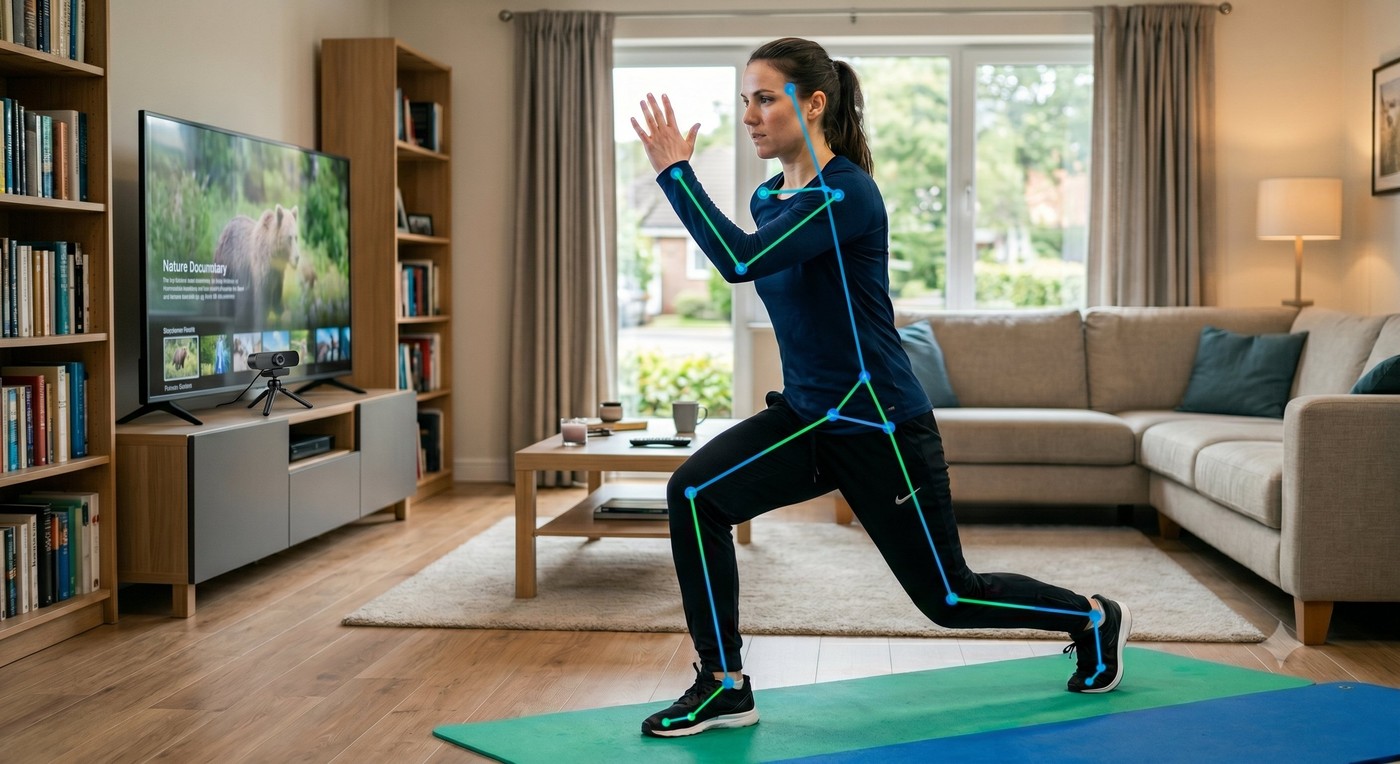
Google Research was developing a novel AI-enabled fitness application using camera-based computer vision and 3D movement modeling, technology with no established UX precedent. The product would use a device's camera to analyze a user's movement in real time, provide form feedback, and track fitness progress without wearables or specialized equipment.
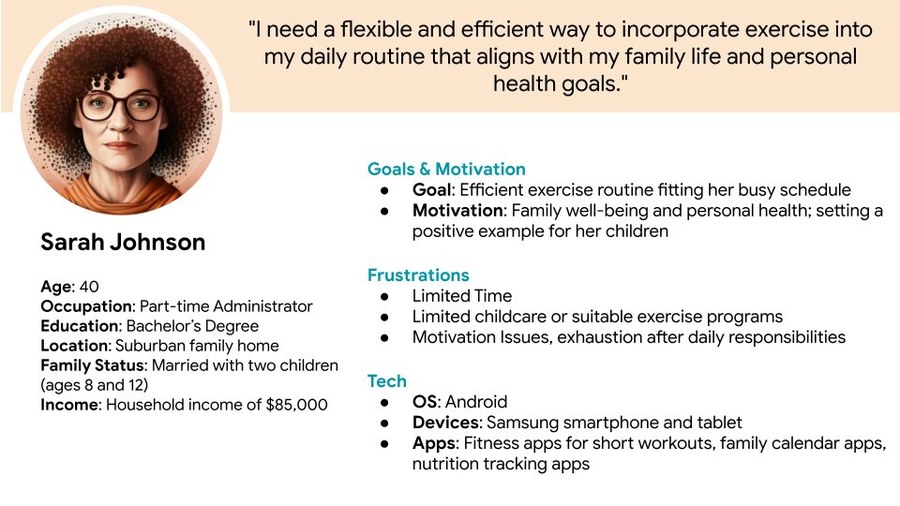
The ambition was significant: democratize access to high-quality fitness coaching by making AI the coach. But when I joined, the team had started development with almost no foundational user research, no validated user segments, no mental models for how people would relate to camera-based AI exercise feedback, and no UXR infrastructure at all.
Two parallel products were in development: a web application (further along, approaching an internal launch) and a mobile application (earlier stage). My role was to build the UXR practice from zero and support both, running at the tactical speed of sprint cycles while simultaneously doing the foundational research that would shape long-term product strategy.